Rare 1976 $2 Bills Worth Millions: Have you ever stumbled upon a 1976 $2 bill and wondered if it could be a hidden treasure? These rare notes have piqued the interest of collectors and everyday people alike, with some even fetching surprisingly high prices at auctions. The idea that a simple $2 bill could be worth millions is both intriguing and perplexing. In the world of numismatics, rarity, condition, and historical significance play crucial roles in determining a note’s value. So, before you decide to spend or tuck away your 1976 $2 bills, it might be worth exploring their potential worth. Understanding the allure and market dynamics of these bills could lead to a significant financial discovery. Let’s delve into the world of rare currency and uncover the factors that could make your 1976 $2 bill a valuable asset.
Unveiling the Value: What Makes 1976 $2 Bills Worth Millions?
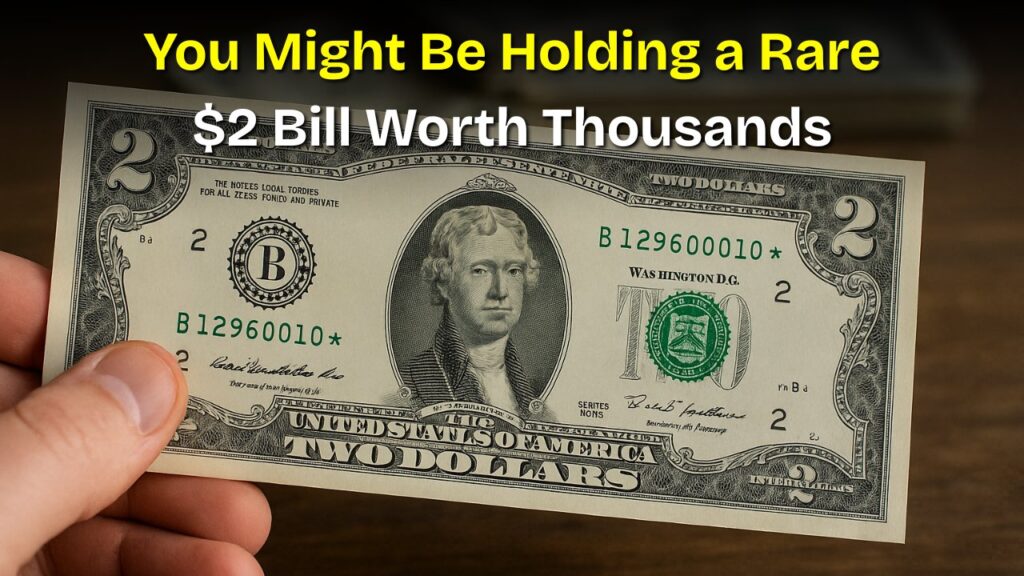
The 1976 $2 bill is a unique piece of American currency that marked the nation’s bicentennial celebration. Its historical significance is just one factor contributing to its potential value. Collectors look for specific traits that can elevate a bill’s worth. One of the primary aspects is the bill’s condition, graded on a scale from poor to uncirculated. An uncirculated 1976 $2 bill, which remains in pristine condition, often garners more interest and higher prices in auctions. Additionally, serial numbers play an important role; bills with unique or low serial numbers can command premium prices due to their rarity. Furthermore, any misprints or errors on these bills can significantly increase their value, as collectors prize these anomalies. For instance, a 1976 $2 bill with a misaligned print could be seen as more valuable than a standard issue. It’s essential for potential sellers to carefully assess these factors or consult with a numismatic expert to accurately gauge their bill’s worth.
Real-Life Example: 1976 $2 Bills Sold for High Value
To illustrate the potential worth of 1976 $2 bills, consider the auction of a rare note in pristine condition, featuring a unique serial number that recently captured headlines. The bill, which was part of a limited release, had been kept safely in a collection for decades. When it was finally put up for sale, the bidding war was fierce, culminating in a sale price that exceeded the wildest expectations of its owner. This real-life example underscores the importance of understanding the market dynamics for rare currency. Collectors are always on the lookout for bills that stand out, whether due to their condition, serial number, or historical significance. The auction of this particular bill not only enriched the seller but also fueled further interest in the 1976 $2 bill series. For those who possess such bills, this serves as both a cautionary tale and an opportunity to explore the potential hidden within their collections.
How to Authenticate and Evaluate Your 1976 $2 Bill
Authenticating and evaluating your 1976 $2 bill is crucial to determining its potential worth. Begin by examining the condition of the bill; any creases, folds, or stains can impact its value. Using a magnifying glass, inspect for any printing errors or unique features such as star notes or unusual serial numbers. These characteristics can significantly enhance a bill’s desirability among collectors. Next, consider consulting with a professional numismatist or a reputable currency dealer. These experts can provide a professional evaluation and authentication, giving you a clearer understanding of the market value. Additionally, online platforms and auction sites can offer insights into current trends and pricing for similar bills. Armed with this knowledge, you can make informed decisions about selling or preserving your 1976 $2 bill. Remember, patience and thorough research are key when navigating the world of rare currency.
Preserving Your 1976 $2 Bills: Tips for Maintaining Value
Preserving the condition of your 1976 $2 bills is essential to maintaining or even enhancing their value over time. Proper storage is the first step; consider using acid-free holders or sleeves to protect the bills from environmental factors such as humidity, light, and physical handling. Store them in a cool, dark place to prevent fading and deterioration. Avoid folding or creasing the bills, as these can significantly decrease their value. Additionally, handling the bills with clean hands or gloves can prevent oils and dirt from damaging the paper. If you have a collection, cataloging each bill with details of its condition, serial number, and any unique characteristics can be helpful for future reference or sale. By taking these preservation measures, you ensure your rare 1976 $2 bills remain in top condition, allowing you to fully capitalize on their potential worth if you decide to sell them in the future.