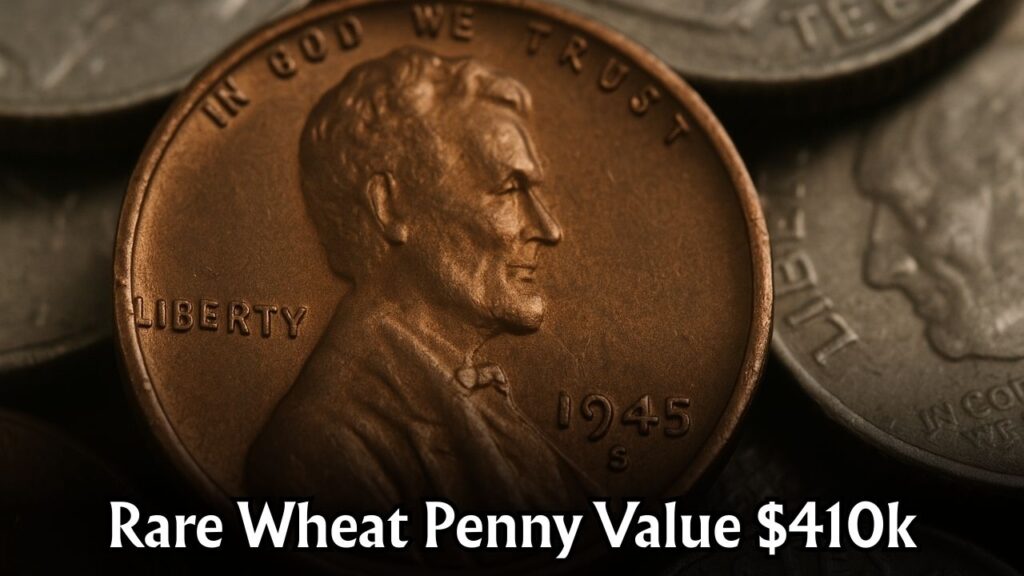
Lincoln Wheat Penny Value: The Lincoln Wheat Penny, minted from 1909 to 1958, is a classic piece of American numismatic history. While many collectors prize these coins for their historical significance, few realize that some rare variants can be worth a small fortune. Imagine discovering a seemingly ordinary penny that could be valued at $410,000! This treasure hunt for valuable coins is not just a pastime for seasoned collectors; even casual enthusiasts may stumble upon a hidden gem in their spare change. Understanding the value of these pennies can turn a simple hobby into a lucrative pursuit. So, dust off those old coin jars, and you might just uncover a hidden treasure right in your own home.
Identifying Rare Lincoln Wheat Pennies: What to Look For
When it comes to pinpointing a valuable Lincoln Wheat Penny, certain key features can make all the difference. One of the most sought-after versions is the 1943 copper penny. During World War II, the U.S. Mint switched to producing steel pennies to conserve copper for the war effort. However, a few copper pennies were accidentally struck, making them incredibly rare and valuable. If you find a 1943 penny, check its weight and color; a genuine steel penny will be magnetic, while a copper penny will not be. Another variation to watch for is the 1922 No D penny, minted in Denver. Due to a die error, some pennies from that year lack the “D” mint mark, making them a hot commodity among collectors. Lastly, keep an eye out for pennies with doubled die obverse, particularly from 1955, where the date and lettering appear doubled. These are just a few examples of how a keen eye can uncover a coin worth significantly more than its face value.
Where to Find Lincoln Wheat Pennies: Hidden Treasures in Everyday Places
Finding a rare Lincoln Wheat Penny is not only a matter of luck but also of knowing where to look. Many people have unearthed valuable coins through simple, everyday activities. Start by checking your loose change; it’s surprising how often rare coins slip through the cracks of daily transactions. Another fruitful avenue is to scour through old family coin collections or inherited items. Attics, basements, and forgotten boxes may hold more than just sentimental value. Coin rolls from banks can also be promising, especially if you’re willing to put in the effort to sort through them. Estate sales, garage sales, and flea markets are treasure troves for coin enthusiasts. Sellers often overlook the value of individual coins, focusing instead on the bulk sale of collections, which means you could score big if you know what to look for. Remember, patience and persistence are key in the hunt for these numismatic treasures.
The Market for Lincoln Wheat Pennies: Understanding the Demand
The allure of Lincoln Wheat Pennies lies not only in their historical significance but also in their market demand. Serious collectors are willing to pay substantial sums for coins that complete their collections or possess unique features. The price of a Lincoln Wheat Penny can skyrocket depending on its rarity, condition, and historical context. Auctions, both online and at dedicated numismatic events, are excellent places to gauge the current market value of these coins. Websites like eBay or specialized coin trading platforms provide insight into what collectors are currently seeking. For anyone considering selling rare coins, consulting with a reputable coin dealer or appraiser is crucial to ensure you receive a fair price. The market can be volatile, with trends influenced by factors such as economic conditions and collector interest, but a well-preserved rare penny will always find its audience.
Real-Life Success Stories: Discovering Lincoln Wheat Penny Treasures
Stories of finding valuable Lincoln Wheat Pennies abound, serving as inspiration for collectors everywhere. One notable example is the discovery of a 1943 copper penny by a Massachusetts teenager in 1947. This penny, once thought an ordinary find, was later sold at auction for a whopping $204,000. Another tale from a collector involved a 1955 doubled die penny, found in a roll of pennies purchased at face value. This penny, upon further inspection, fetched thousands of dollars due to its rarity and condition. These stories highlight the potential hidden in everyday circumstances. Even if your collection starts small, the thrill of potentially uncovering a rare piece of history is undeniably exciting. With careful attention and a little bit of luck, your next penny could be a life-changing discovery.