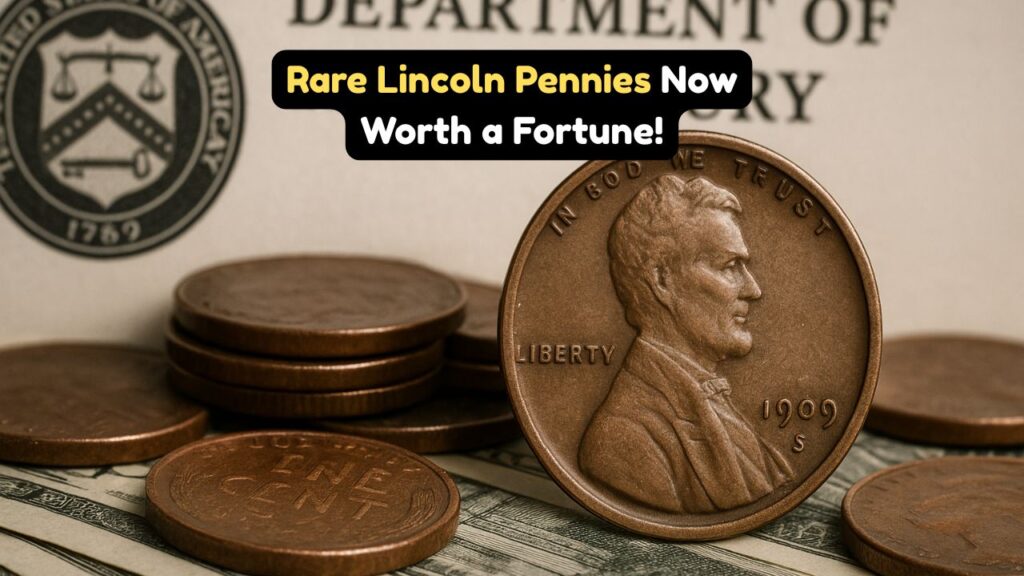
Rare Lincoln Pennies: The world of coin collecting is buzzing with excitement as rare Lincoln pennies are making headlines, reaching astonishing values in the market. These small copper coins, often overlooked in everyday transactions, have now become the centerpiece of numismatic discussions. As the U.S. Treasury announces its decision to cease production of these iconic pennies, collectors and enthusiasts are scrambling to get their hands on these valuable pieces. The rarity and historical significance of certain Lincoln pennies have driven their prices into the thousands, creating a surge in interest and demand. Whether you’re a seasoned collector or a curious onlooker, understanding the factors driving this phenomenon can provide valuable insights into the world of rare coins.
Understanding the Surge in Value of Lincoln Pennies
The recent surge in the value of Lincoln pennies can be attributed to several factors, chief among them being their rarity and historical significance. Coins minted during specific years, such as the 1909-S VDB penny or the 1943 copper penny, are particularly sought after due to their limited production and unique characteristics. The 1909-S VDB penny, for instance, was the first year of issue for the Lincoln cent, and its low mintage makes it a prized possession for collectors. Similarly, the 1943 copper penny, produced at a time when most pennies were made of steel due to wartime rationing, stands out due to its distinct composition.
The decision by the U.S. Treasury to cease production of these pennies has only fueled their desirability. Collectors view this move as an opportunity to acquire a piece of history before it becomes even harder to find. Additionally, the coin’s design, featuring the iconic profile of President Abraham Lincoln, adds to its appeal, symbolizing a piece of American history that resonates with many. As the number of these pennies available in circulation decreases, their value is expected to continue rising, making them a potentially lucrative investment for those fortunate enough to own them.

Why the Treasury Halted Lincoln Penny Production
The U.S. Treasury’s decision to halt the production of Lincoln pennies comes as part of a broader effort to address economic and environmental concerns. The cost of producing the penny has long been a topic of debate, with the expense of minting each coin surpassing its actual face value. As raw material costs rise, the financial justification for continuing to produce these coins diminishes, prompting the Treasury to reconsider its production strategy.
Moreover, environmental considerations have played a significant role in this decision. The production process for pennies involves considerable resource consumption and environmental impact. By ceasing production, the Treasury aims to reduce its carbon footprint and align with broader sustainability goals. While this move may disappoint some purists who see the penny as a staple of American currency, it opens the door for innovative solutions and discussions about the future of coinage in the digital age. The halt in production serves as a reminder of the evolving landscape of currency and the need for adaptation in a rapidly changing world.
Impact on Coin Collecting and Investment Strategies
The halt in production of Lincoln pennies and their subsequent rise in value have significant implications for coin collectors and investors alike. For collectors, this represents a rare opportunity to enhance their collections with valuable pieces that are likely to appreciate over time. The rarity of certain Lincoln pennies means they can serve as cornerstone assets in any numismatic collection, offering both historical value and financial potential.

Investors, too, are taking notice of the upward trend in penny values. With traditional investment avenues experiencing volatility, rare coins present a relatively stable and tangible asset class. The historical performance of coins like the Lincoln penny, coupled with their limited supply, makes them an attractive option for diversifying investment portfolios. As interest in rare coins continues to grow, those who recognize the potential of investing in these numismatic treasures stand to benefit from their increasing value.
Real-Life Example: A Collector’s Journey
Consider the story of John, a seasoned coin collector from Chicago, who recently made headlines with his impressive collection of Lincoln pennies. John’s fascination with coins began in childhood, sparked by a gift from his grandfather—a 1909-S VDB penny. Over the years, John meticulously expanded his collection, acquiring rare finds through auctions, estate sales, and even trades with fellow enthusiasts.

John’s dedication paid off when he decided to auction a portion of his collection, fetching over $50,000 for a single 1943 copper penny. His success story highlights the potential rewards of investing in rare coins and the importance of knowledge and persistence in the field of numismatics. As Lincoln pennies continue to capture the interest of collectors and investors nationwide, stories like John’s serve as an inspiring testament to the enduring allure and value of these historic coins.