
Rural Healthcare Training – In a groundbreaking move to bridge the healthcare divide between urban and rural India, several government-permitted nursing colleges in Gujarat have initiated specialized rural healthcare training programs. These programs are uniquely designed to equip nursing students with the knowledge, skills, and hands-on experience required to serve in underserved communities. This transformative approach not only enhances the quality of rural healthcare but also inspires a generation of compassionate healthcare professionals committed to community well-being. Gujarat, known for its progressive public health initiatives, has aligned its nursing education model with the state’s long-term vision of “Health for All.” Through partnerships with Primary Health Centres (PHCs), Community Health Centres (CHCs), and district hospitals, nursing colleges are ensuring their students receive clinical exposure where it’s needed most—deep inside the rural heartlands. Let’s explore how these institutions are reshaping nursing education and rural healthcare delivery in Gujarat.
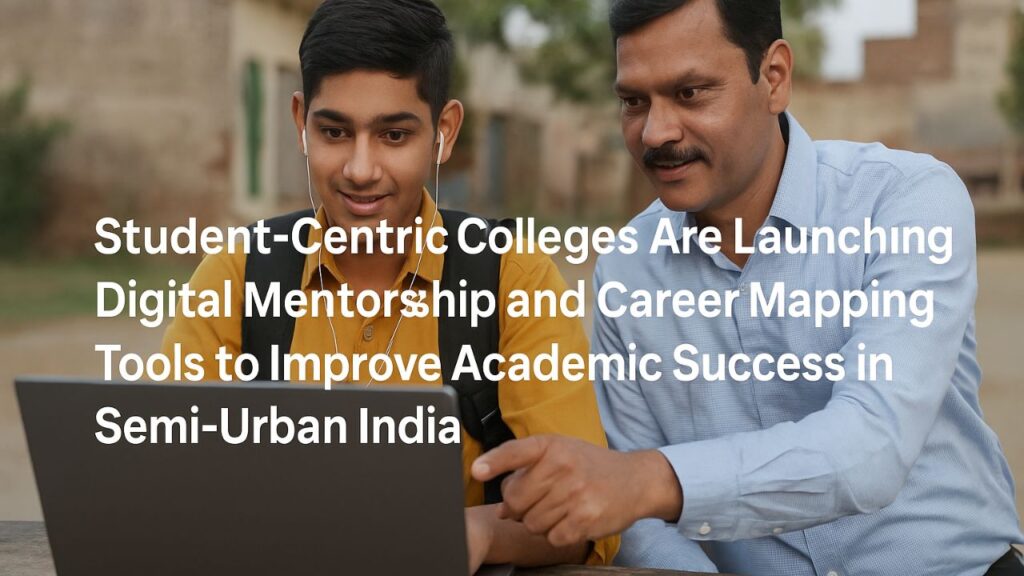
Rural Healthcare Training: A Core Component of Modern Nursing Education
Rural healthcare training has become a mandatory part of the curriculum in government-approved nursing colleges across Gujarat. This training ensures students are exposed to the unique challenges and practical realities of working in remote areas.
Key Features of the Rural Training Program:
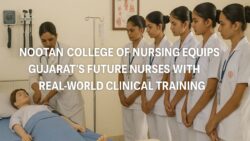 Nootan College of Nursing Equips Gujarat’s Future Nurses with Real-World Clinical Training
- Placement in PHCs and CHCs for real-time learning.
- Focus on maternal and child health, tuberculosis control, and malnutrition management.
- Field surveys and door-to-door visits to understand community health dynamics.
- Interaction with ASHA and ANM workers to understand local health systems.
Government Colleges Involved in Rural Health-Oriented Nursing Programs
Below is a table listing some notable government-approved nursing colleges in Gujarat participating in this initiative:
| College Name | Location | Courses Offered | Rural Internship Duration | Affiliated Hospital |
|---|---|---|---|---|
| Government College of Nursing, Ahmedabad | Ahmedabad | B.Sc Nursing, GNM | 6 months | Civil Hospital, Ahmedabad |
| Government Nursing College, Vadodara | Vadodara | B.Sc Nursing | 6 months | SSG Hospital, Vadodara |
| Rajkot Government Nursing College | Rajkot | GNM, B.Sc Nursing | 6 months | Rajkot Civil Hospital |
| Surat Government Nursing College | Surat | ANM, B.Sc Nursing | 4-6 months | New Civil Hospital, Surat |
| Palanpur Government Nursing Institute | Palanpur | GNM | 4 months | District Hospital, Palanpur |
| Jamnagar Govt. College of Nursing | Jamnagar | B.Sc Nursing, GNM | 6 months | GG Hospital, Jamnagar |
| Bhavnagar Government Nursing School | Bhavnagar | GNM, ANM | 4 months | Bhavnagar General Hospital |
Community-Centric Clinical Practice: Learning by Doing
Rather than limiting students to theoretical knowledge, these programs emphasize experiential learning in real healthcare settings. This helps future nurses become confident and adaptive in challenging rural environments.
Practical Components of Community-Based Clinical Practice:
- Home-based newborn care sessions
- Vaccination drives under National Immunization Schedule
- Sanitation and hygiene awareness campaigns
- Nutrition counseling for underweight mothers and children
- First-aid and emergency response in rural settings
Benefits for Nursing Students and Rural Communities
The dual-benefit model ensures that while students gain critical experience, rural populations receive much-needed health services.
Advantages for Students:
- Hands-on experience with diverse medical cases
- Cultural sensitivity and language exposure
- Leadership development in low-resource settings
Advantages for Communities:
- Regular health screenings and consultations
- Access to preventive care and medicines
- Women’s health awareness and support
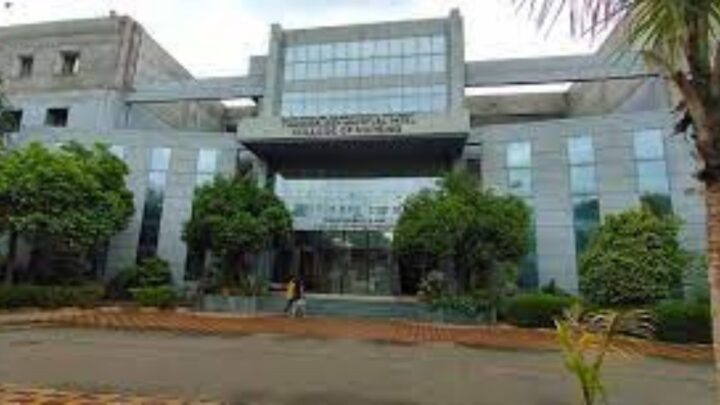
Rural Health Training
Curriculum and Skill Development Focus Areas
To ensure students are well-equipped, the curriculum integrates both modern nursing science and localized health care challenges.
| Skill Area | Training Methods | Application in Rural Areas |
|---|---|---|
| Maternal & Child Health | Field assignments, simulations | ANC/PNC visits, safe delivery support |
| Communicable Diseases | Case study analysis, outreach camps | TB, Malaria, Leprosy interventions |
| Geriatric Care | Community interviews, workshops | Elderly care and counseling |
| Emergency Response | Mock drills, First Aid training | Handling snake bites, injuries |
| Nutrition & Dietetics | Cooking demos, nutritional surveys | Malnutrition prevention |
| Mental Health | Group therapy models, case handling | Stress management in farmers |
| Health Communication | Role plays, poster creation | Spreading awareness through campaigns |
Collaborations with Government Health Initiatives
Government nursing colleges in Gujarat often align their training programs with flagship schemes such as:
- Ayushman Bharat Yojana
- POSHAN Abhiyaan
- Janani Suraksha Yojana
- Swachh Bharat Abhiyan
This integration helps students get firsthand exposure to policy implementation and public health management.
Real-Life Example – A Student’s Journey from Classroom to Village
Meena Patel, a final-year nursing student from Rajkot Government Nursing College, shared her experience:
“During my internship in a tribal village of Dahod, I conducted 3 health camps, helped deliver 2 babies at the PHC, and educated more than 40 women on menstrual hygiene. It changed my perspective and strengthened my passion for rural health.”
Such stories reflect the power of on-ground engagement and how it transforms both the learner and the community.
The transformation of nursing education in Gujarat toward a rural and community-focused model is a revolutionary step in healthcare delivery. These government-permitted colleges are not just creating nurses—they are nurturing future community leaders and healers. With such experiential education, students graduate not just with degrees, but with purpose, empathy, and practical wisdom.
This initiative is a shining example of how education can be designed to serve both student development and social upliftment simultaneously.
FAQs
1. Are these rural training programs mandatory for all nursing students in Gujarat?
Yes, all government-permitted nursing colleges in Gujarat have integrated rural internships as a compulsory part of the curriculum.
2. Do students get any stipend during their rural internships?
Some colleges offer a nominal stipend or travel allowance, depending on government provisions or project-based funding.
3. Can private nursing colleges participate in similar rural health training programs?
Yes, some private colleges collaborate with NGOs or join state government projects to provide similar exposure.
4. How does this training help students in their long-term careers?
Students gain valuable field experience, which boosts their employability, adaptability, and problem-solving skills, especially for public health roles.
5. Where can I find the list of government-permitted nursing colleges in Gujarat?
You can check the official website of the Gujarat Nursing Council or the Directorate of Medical Education & Research (DMER), Gujarat.
