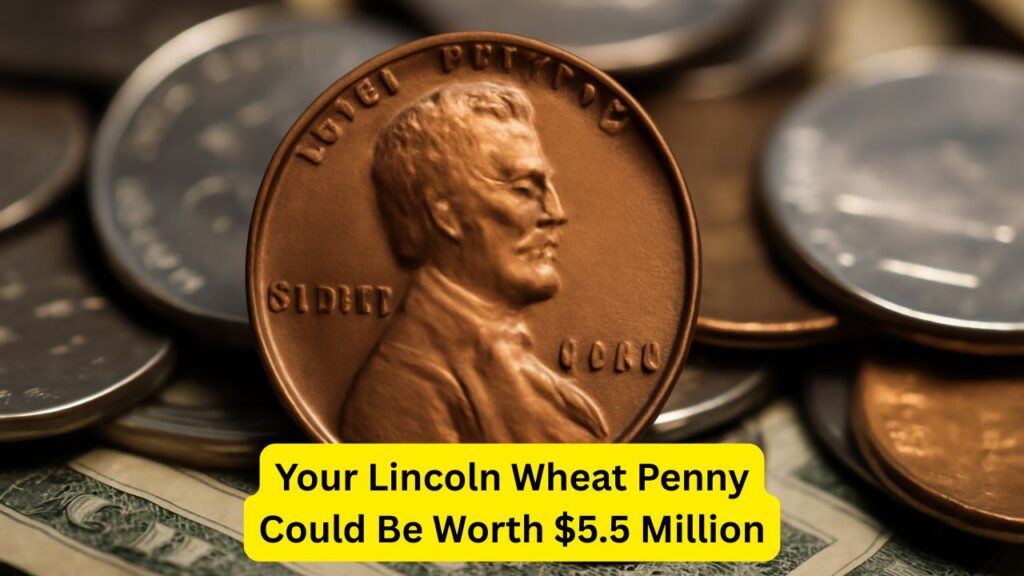
Lincoln Wheat Penny Sells for $5.5 Million: In a record-breaking auction, a Lincoln Wheat Penny recently fetched an astounding $5.5 million, leaving collectors and numismatic enthusiasts buzzing with excitement. This remarkable sale underscores the growing allure of rare coins, which are increasingly being viewed not only as collectibles but also as lucrative investment opportunities. The Lincoln Wheat Penny, minted during the early 20th century, is a cherished piece of American history, embodying both historical significance and numismatic value. As interest in coin collecting continues to soar, collectors are shelling out significant sums to acquire these rare and valuable pieces, hoping to add a touch of history and rarity to their collections.
The Allure of the Lincoln Wheat Penny for Collectors
The fascination with the Lincoln Wheat Penny is deeply rooted in its rich history and scarcity. Originally minted from 1909 to 1958, these pennies were among the first to feature the iconic image of Abraham Lincoln, making them a significant part of American numismatic history. What makes certain Lincoln Wheat Pennies particularly desirable is their rarity. A prime example is the 1943 copper-alloy penny, which was mistakenly minted during World War II when copper was being conserved for the war effort. Most pennies from that year were supposed to be made of steel, making the copper versions extremely rare and valuable. Such unique characteristics attract collectors who are willing to pay a premium for these historical artifacts. Additionally, the condition of the coin plays a crucial role in determining its value. Coins that have been preserved in pristine condition or feature unique minting errors can fetch millions at auction, as demonstrated by the recent sale. This allure of rarity and history continues to drive collectors to invest big bucks in these tiny pieces of metal.
Understanding Why Collectors Pay Premium Prices for Rare Coins
Several factors contribute to why collectors are willing to pay premium prices for rare coins like the Lincoln Wheat Penny. One primary reason is the historical significance attached to these coins. Collectors often view rare coins as tangible pieces of history, offering a unique glimpse into the past. The Lincoln Wheat Penny, for instance, not only represents a significant period in American history but also reflects the socio-economic conditions of its time. Another factor is the investment potential. Rare coins have shown a consistent ability to appreciate in value over time, making them attractive to investors looking to diversify their portfolios. This financial incentive, combined with the emotional connection many feel towards these historical artifacts, fuels the high demand. Furthermore, the rarity of certain coins, often due to minting errors or limited production, adds an exclusivity factor that collectors find irresistible. As competition among collectors intensifies, the prices for these coveted items continue to rise, driving the market for rare coins to new heights.

Real-Life Example of a Record-Breaking Coin Sale
The recent sale of a Lincoln Wheat Penny for $5.5 million is a testament to the intense interest and value placed on rare coins. This particular penny, a 1943-D bronze cent, is one of the few known to exist, making it a prized possession among collectors. It was auctioned by a renowned numismatic auction house, drawing significant attention from collectors worldwide. The penny’s rarity, coupled with its unique historical context, made it a standout item in the auction, ultimately leading to its record-breaking sale. Such high-profile sales often set new benchmarks in the coin collecting community, encouraging other collectors to re-evaluate their collections and seek out similar treasures. This example not only highlights the financial potential of rare coins but also demonstrates the passionate community that surrounds numismatics, where history, rarity, and craftsmanship meet in a lucrative blend.

Future Trends in Coin Collecting and Market Predictions
As the market for rare coins like the Lincoln Wheat Penny continues to expand, experts predict a future where coin collecting becomes an even more mainstream investment strategy. Increased access to online auctions and coin marketplaces has democratized the hobby, allowing a wider audience to participate in numismatics. This shift is likely to bring about increased competition and potentially higher prices for rare coins as more people recognize the investment potential of these historical artifacts. Additionally, with technological advancements in verification and grading, collectors can be more confident in their purchases, further driving interest and investment in the market. The combination of historical significance, investment potential, and the thrill of discovery make coin collecting an appealing venture. As collectors and investors alike continue to seek out these rare treasures, the market is poised for significant growth, with more record-breaking sales anticipated in the coming years.