Lincoln Wheat Penny Value: The Lincoln Wheat Penny, a small coin with a rich history, recently garnered significant attention when one such penny fetched an astounding $21 million at auction. This remarkable event has sparked curiosity among collectors and the general public alike, prompting questions about what makes these seemingly modest coins so valuable. The Lincoln Wheat Penny, minted from 1909 to 1958, has long been a favorite among numismatists due to its historical significance and variations in design. Despite its humble origins, certain editions of the Lincoln Wheat Penny have become highly sought after, with collectors willing to pay top dollar for a piece of American history. In this article, we delve into the fascinating world of coin collecting, exploring why a Lincoln Wheat Penny achieved such a staggering price and what factors contribute to the value of these coins.
The Historical Significance of the Lincoln Wheat Penny
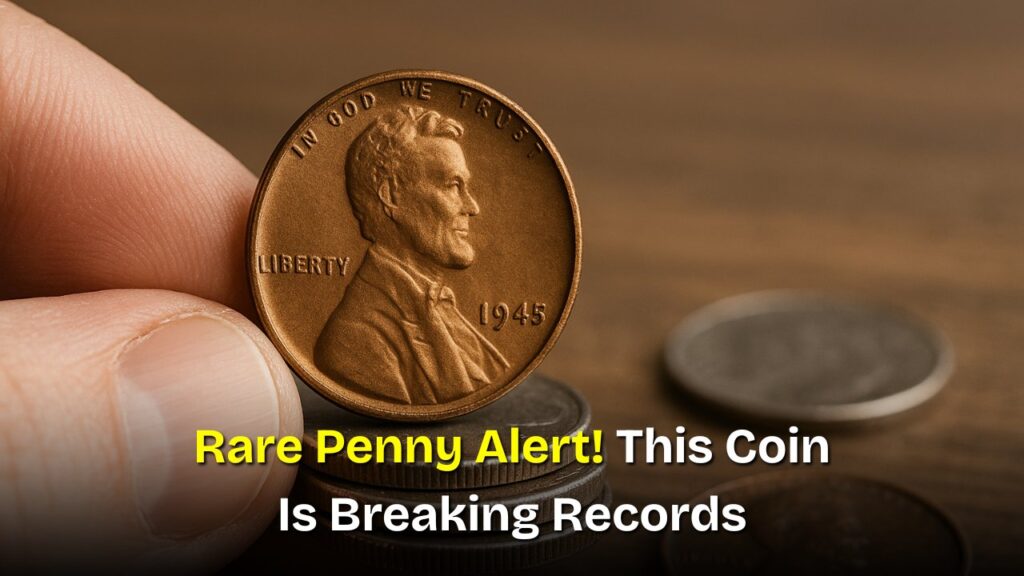
The Lincoln Wheat Penny, first introduced in 1909 to commemorate the 100th anniversary of Abraham Lincoln’s birth, holds a special place in American numismatics. Designed by Victor David Brenner, the penny featured the first president to be depicted on a circulating U.S. coin. The inclusion of Lincoln’s portrait marked a significant departure from previous designs, which typically featured allegorical figures. This innovation made the Lincoln Wheat Penny an instant hit among the public and collectors alike. Over the years, the coin’s design underwent several changes, including variations in the composition and the placement of Brenner’s initials, “V.D.B.” These subtle differences have become key factors in determining the coin’s rarity and, consequently, its value. For instance, the 1909-S V.D.B. edition is one of the most coveted among collectors due to its limited mintage and unique design features. The allure of owning a piece of history, combined with the coin’s historical significance, continues to drive the demand for Lincoln Wheat Pennies, making them an enduring symbol of American heritage.
Factors That Influence the Value of a Lincoln Wheat Penny
Several factors contribute to the value of a Lincoln Wheat Penny, with rarity being one of the most significant determinants. Coins with low mintage numbers or those that feature unique design elements are particularly prized by collectors. For example, the 1943 bronze Lincoln Wheat Penny is renowned for its rarity, as most pennies produced that year were made from steel due to wartime metal shortages. Another crucial factor is the coin’s condition, with well-preserved specimens commanding higher prices. Collectors often use a grading scale to assess the condition of a coin, with higher grades indicating better preservation. The coin’s historical context and provenance can also play a role in its valuation. Coins with documented histories or those previously owned by notable figures tend to attract higher bids. Additionally, market trends and collector demand can influence the price of a Lincoln Wheat Penny. A surge in interest among collectors can drive up prices, as seen in recent auctions where rare Lincoln Wheat Pennies have fetched record-breaking sums.
 Coin Market Frenzy: Ultra-Rare Sacagawea Error Sells for Millions, Leaves Collectors Stunned
Real-Life Example: The $21 Million Lincoln Wheat Penny
The recent sale of a Lincoln Wheat Penny for $21 million serves as a striking example of the extraordinary value these coins can attain. This particular penny, a 1943 bronze edition, is one of only a few known to exist, making it a highly coveted item among collectors. The coin’s rarity, combined with its exceptional condition, contributed to its record-breaking sale price. The story of this penny highlights the importance of rarity and condition in determining a coin’s value. Additionally, the auction’s high-profile nature and the excitement surrounding the sale further fueled interest in the coin, driving up its final price. This remarkable sale has reignited interest in coin collecting and underscored the potential for seemingly ordinary objects to hold immense value. For collectors and enthusiasts, the $21 million Lincoln Wheat Penny serves as a reminder of the rich history and enduring appeal of numismatic treasures.

The Future of Lincoln Wheat Penny Collecting
The astonishing sale of the $21 million Lincoln Wheat Penny has sparked renewed interest in coin collecting, particularly among those seeking to uncover hidden gems in their own collections. As more people become aware of the potential value of these coins, the market for Lincoln Wheat Pennies is likely to grow. This increased interest could lead to a surge in prices, as collectors vie for rare and unique specimens. Additionally, advancements in technology, such as online auctions and digital grading tools, have made it easier for collectors to buy and sell coins, further fueling the market’s growth. For aspiring numismatists, the world of coin collecting offers a fascinating opportunity to engage with history while potentially reaping financial rewards. Whether driven by a passion for history or the allure of a valuable find, the future of Lincoln Wheat Penny collecting appears bright, with many more exciting discoveries and record-breaking sales on the horizon.